
Main Office:
23F Filinvest Axis Tower One, Northgate Cyberzone, Filinvest City, Alabang, Muntinlupa City, 1781, Philippines
+632 8846 0278

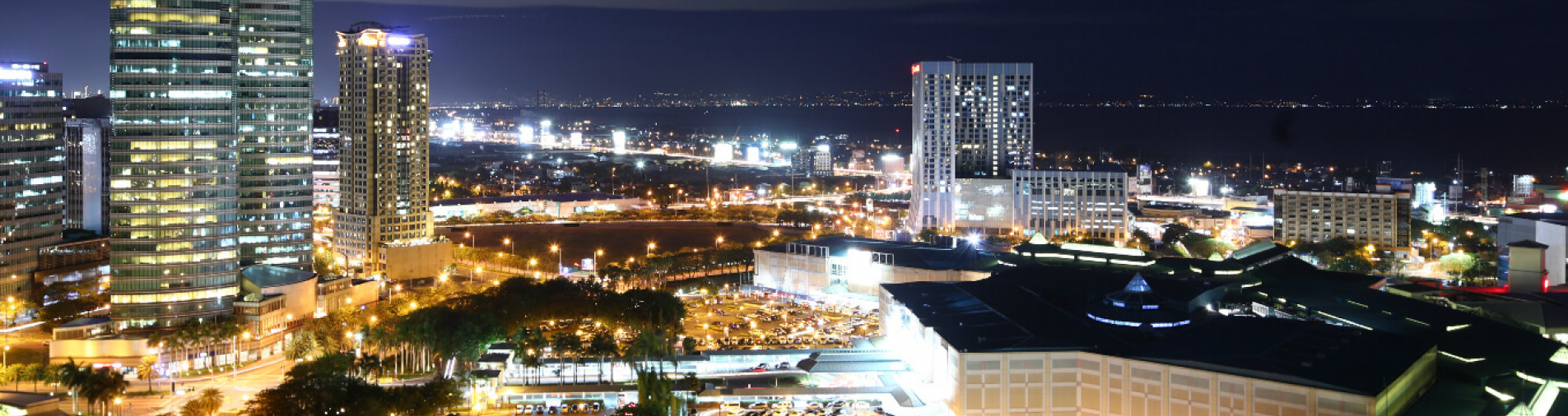
In an era of unpredictable global markets, the Philippines is feeling the squeeze at the pump. With nearly 95 percent of the country’s crude supply imported from abroad, every flicker of volatility in global oil prices sends a shockwave through the local economy. For the average commuter, this translates to higher fares, pricier groceries, and less money left over at the end of the month.
As the fuel crisis continues to strain household budgets, a decades-old urban planning concept is gaining new life: The 15-Minute City.
What is a 15-Minute City?
The 15-minute city is an urban design model where everything a resident needs—work, school, healthcare, groceries, and recreation—is accessible within a 15-minute walk or bike ride from their front door.
While the term was popularized by Professor Carlos Moreno, the core philosophy aligns with Global Sustainable Development Goals (SDGs), specifically Goal 11, which focuses on making cities inclusive, safe, and resilient. Instead of building "car-centric" cities, this model prioritizes human-centric accessibility.
Related Reading: Check out our previous guide on how sustainable architecture is changing the Philippine skyline.
Breaking the Cycle of Fuel Dependency
Urban planners are increasingly slamming traditional car-centric policies. In a country where transportation costs are heavily tied to imported oil, being forced to drive for every basic need creates a massive economic vulnerability.
The 15-minute city offers a way out by:
Reducing Daily Commutes: Placing essential services within walking distance eliminates the need for daily fuel consumption.
Encouraging Active Transport: Prioritizing bike lanes and pedestrian-friendly walkways improves public health.
Boosting Local Economies: When people shop within their immediate neighborhood, small businesses thrive.
For more tips on navigating current economic shifts, see our article on how to budget during a fuel crisis.
Modern Examples in the Philippines
We are already seeing this model take shape in integrated developments across the country. Projects like Filinvest City in Alabang serve as a blueprint, merging residential and commercial spaces into a single walkable district. According to research from the Asian Development Bank, improving urban mobility through mixed-use development is crucial for the economic recovery of Southeast Asian nations.
To further reduce reliance on fossil fuels, these modern "mini-cities" are integrating:
Electric Vehicle (EV) Shuttles: Moving away from internal combustion engines.
Strategic Infrastructure: Widespread charging stations and shaded walkways.
Green Spaces: Parks that serve as both recreation and transit corridors.
The Bottom Line
The shift toward 15-minute cities isn't just about urban aesthetics; it’s an economic necessity. As oil price volatility becomes the "new normal," building communities that don't require a gas tank to navigate is the smartest way to sustain economic activity and improve the Filipino quality of life.
Original Article: 15-minute city gains ground amid fuel crisis - Daily Tribune
23F Filinvest Axis Tower One, Northgate Cyberzone, Filinvest City, Alabang, Muntinlupa City, 1781, Philippines
+632 8846 0278
Copyright 2026 Filinvest City